Utah ADU Builder · Utah · Granny flats
Build a granny flat in Utah
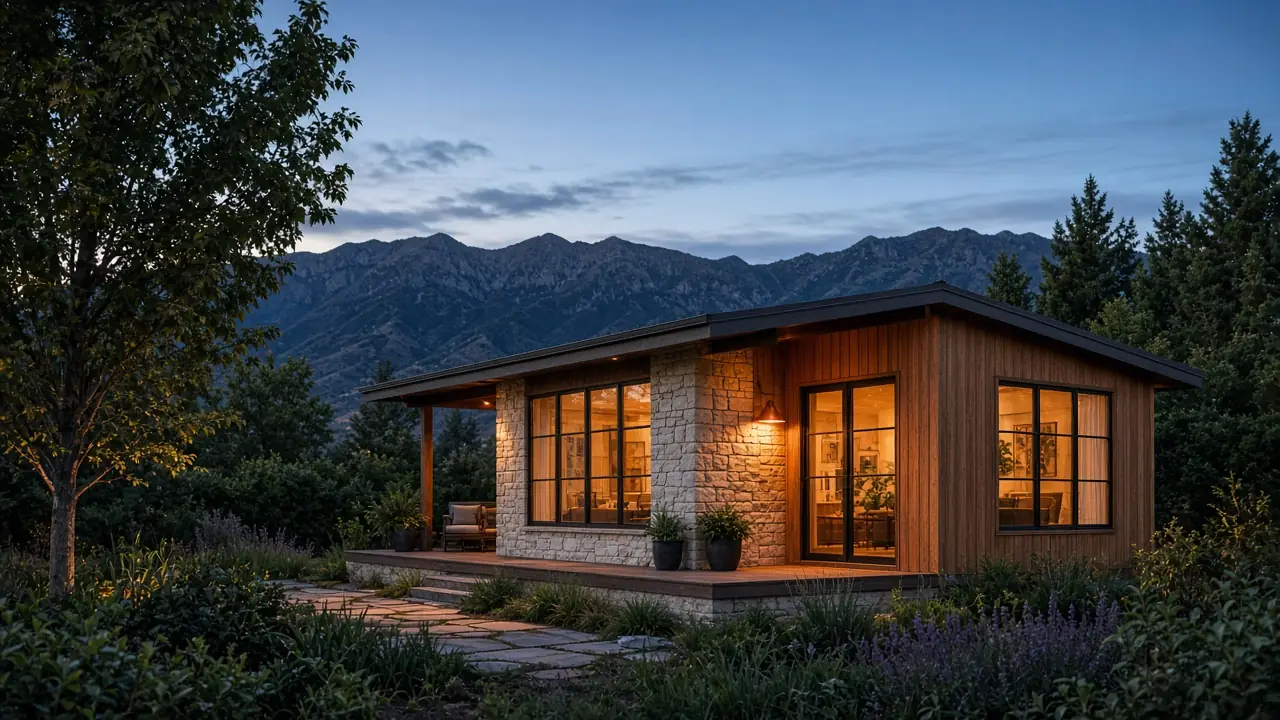
A granny flat in Utah is an accessory dwelling unit for family or aging in place. It can sit inside the house, attach to it, or stand in the yard. A granny pod is the small detached version of the same idea.
Planning bands on the Wasatch Front are often about $55,000–$145,000 for an internal suite and $95,000–$250,000+ for a new detached granny flat, before unusual site work. Many cities still limit internal ADUs on lots of 6,000 sq ft or less. The statewide detached floor for qualifying lots of about 11,000 sq ft takes effect October 1, 2026. See the cost to build a casita in Utah for the same bands in a table, and the granny pods in Utah note if that is the name you searched.
Last reviewed 2026-09-22. Planning ranges, not a bid or a permit.
Educational guide from Utah ADU Builder — not legal advice. Utah cities interpret statewide ADU statutes differently. Always verify zoning, setbacks, and permits with your city planning and building departments before you design or build.
Years building across Utah — let’s look at your lot.
We know approvals, costs, timelines, and design-build delivery on the Wasatch Front. Contact us to discuss your property.
What is a granny flat in Utah?
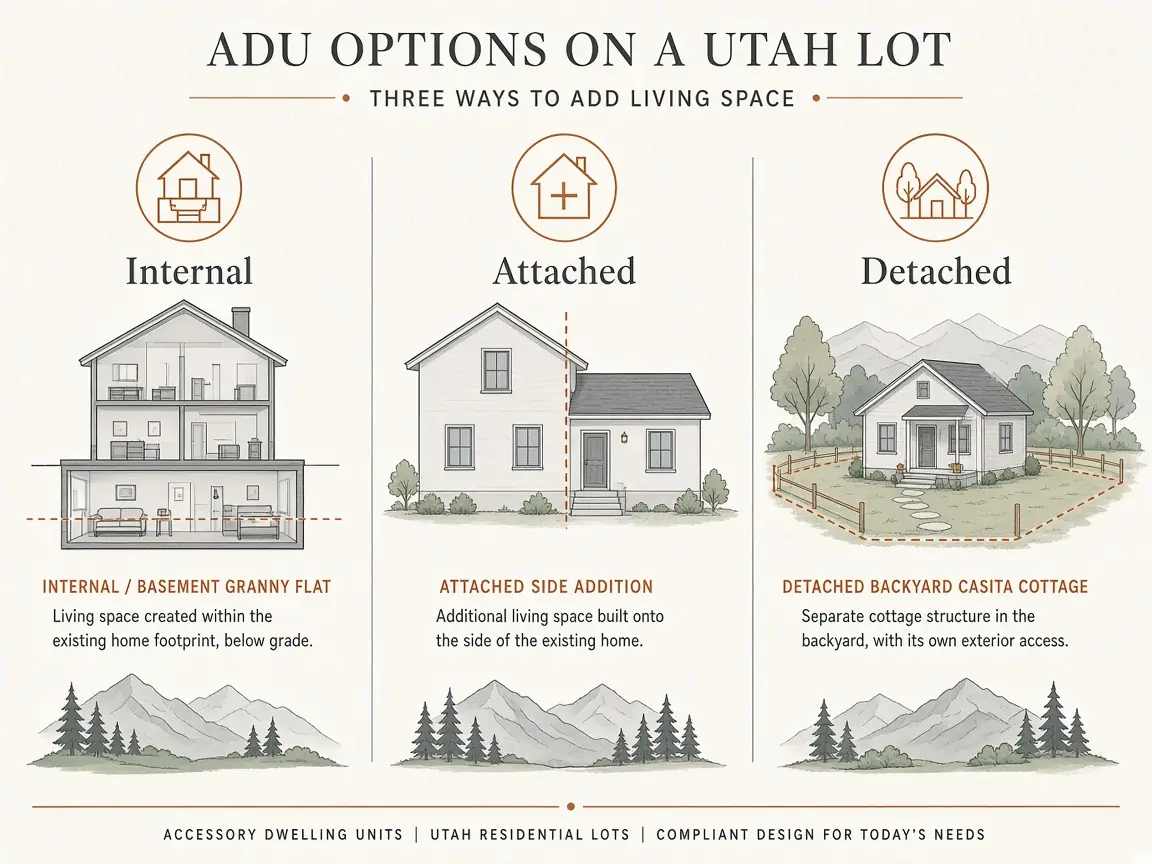
In everyday Utah language, a granny flat is a small, self-contained living unit meant for a parent, in-law, adult child, caregiver, or long-term renter — while the primary home stays on the same lot. It can be internal (basement or main-floor suite), attached (side or rear addition with a lockable entrance), or detached (a backyard cottage). Legally, most granny flats are a form of accessory dwelling unit (ADU).
Homeowners search “granny flat” when the goal is aging-in-place, multigenerational living, or ADA-friendly design — not just rental yield. Utah ADU Builder treats those goals as first-class design problems: clearances, no-step entries, bathroom layouts, and how people actually move between the units.
Is a granny flat the same as an ADU?
Almost always yes in practice. ADU / accessory dwelling unit is the legal umbrella Utah cities and statutes use. Granny flat is consumer language that emphasizes who will live there and why — often aging parents or family — rather than the construction type alone.
A detached granny flat may also be called a casita, backyard cottage, or (sometimes) pool house. If you are permitting, plan on ADU language at the counter even if your family calls it a granny flat.
Can a Utah granny flat be internal, attached, or detached?
Yes — and that flexibility is why the phrase matters for searchers. Many Utah homeowners assume “granny flat” only means a backyard cottage. In reality:
- Internal: basement apartment, main-floor suite, or conversion inside the existing house footprint — often the fastest, lowest-cost path under Utah’s statewide internal ADU framework.
- Attached: addition sharing a wall or roof with the primary home, with independent living facilities and entrance.
- Detached: separate structure — what many people picture — subject to local rules today and, in specified municipalities, S.B. 284’s detached floor starting October 1, 2026 for qualifying lots.
Ready for a property-specific answer?
Educational tools get you oriented. A conversation gets you a path.
What Utah laws matter most for granny flats?
Two statewide frameworks show up constantly in our conversations with Wasatch Front homeowners:
- Internal ADUs — Utah’s internal accessory dwelling unit law (originally H.B. 82 era) makes one internal ADU a permitted use inside an owner-occupied detached single-family home in a residential zone, with important local conditions (parking, owner occupancy documentation, and possible prohibition on lots ≤6,000 sq ft).
- Detached ADUs (S.B. 284) — requires specified municipalities to allow one detached ADU as a permitted use on qualifying properties of 11,000+ sq ft with a permitted single-family dwelling. Operative October 1, 2026. Cities may still set setbacks, height, design, and longer minimum rental durations.
Attached additions sit in a gray zone between “internal” and “detached” depending on how your city defines the structure — which is why we always pair statute reading with a city counter check. Start with our city ADU guides for Salt Lake City, Provo, Layton, and Ogden.
How do we design a granny flat for aging-in-place or ADA compatibility?
Aging-in-place is where granny-flat design diverges from a pure rental ADU. Utah ADU Builder plans for how people enter, bathe, cook, and get help — not just square footage. Practical moves we discuss on nearly every family project:
- Zero-step or low-step entry and covered drop-off where the lot allows
- 36"+ clear doors, lever hardware, and hall widths that fit a walker or wheelchair
- Curbless shower options, reinforced walls for grab bars, comfort-height fixtures
- Bedroom and bathroom on one level — avoid “cute loft” plans for mobility needs
- Visual connection or short path to the primary home for caregivers without sacrificing privacy
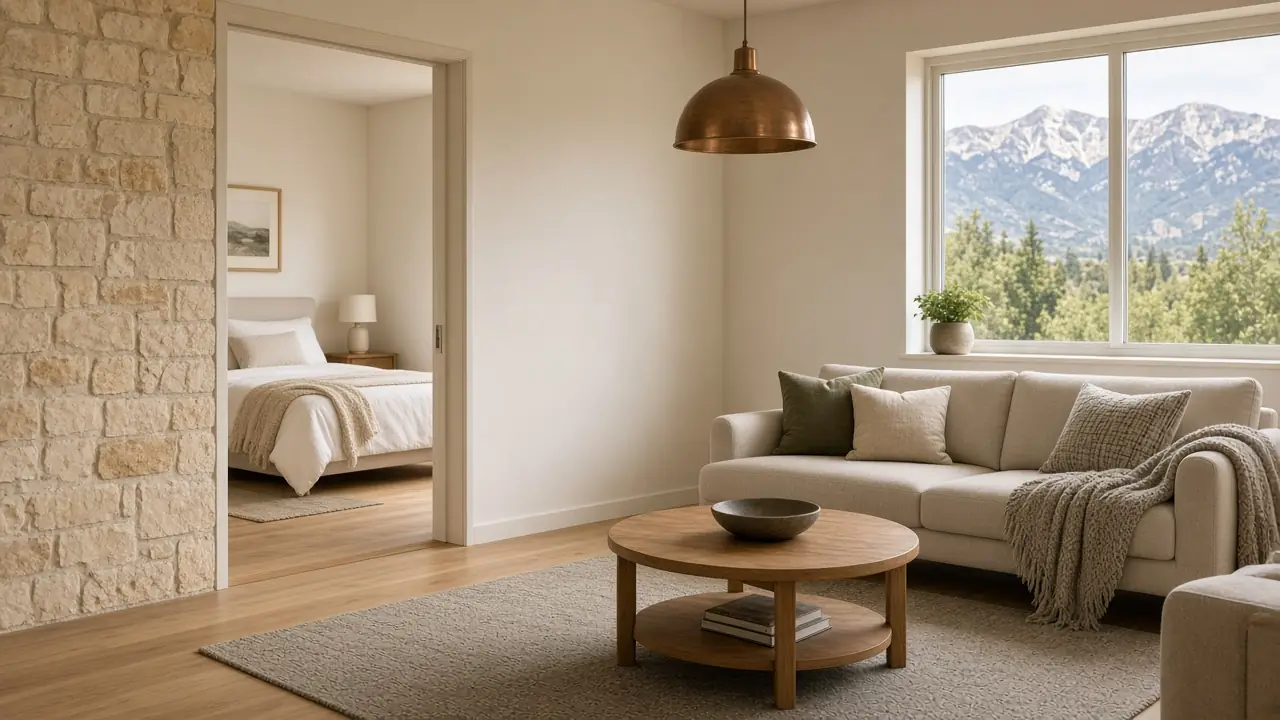
Full ADA “public accommodation” standards are not always required for a private residential ADU, but designing as if mobility needs will grow is usually the smarter long-term investment for family housing. We’ll walk your lot and say what’s realistic.
How much does a granny flat cost to build in Utah?
Ballpark Northern Utah mid-market ranges (build cost on land you already own — not a turnkey bid):
- Internal / basement suite: often roughly $60k–$150k depending on size, egress, mechanicals, and finish
- Garage conversion: often roughly $60k–$175k
- Detached backyard granny flat: commonly mid-teens to low-$200ks for functional units; hillside lots, long utility runs, and premium finishes push higher
Ranges shift with finish level, hillside work, utilities, and city fees. Utah ADU Builder calibrates after we see your parcel.
What lot size do I need for a detached granny flat?
For the statewide detached mandate under S.B. 284, think 11,000 square feet or larger in a specified municipality, with a permitted single-family dwelling — operative October 1, 2026. Under that floor, a city may still allow a backyard unit under local ordinance, but you cannot rely on the statewide “must allow” language.
Internal granny flats do not need the 11k floor. Cities may restrict internal ADUs on lots of 6,000 sq ft or less. Map your parcel on our eligibility map and open your city page — for example Lehi, South Jordan, or Bountiful.
Do I need to live on the property?
Owner-occupancy expectations are common for Utah ADUs — statewide internal rules generally assume the owner lives in the primary home or the ADU. Cities document that differently (affidavit, recorded notice, etc.). Detached rules under S.B. 284 also allow cities to require owner occupancy.
If you are an investor who will not live on-site, say so early. The path may still exist under local ordinance, but it is a different conversation than a multigenerational granny flat for parents.
How long does a granny flat project take?
Internal suites often move faster because you reuse the shell. Detached units need more site work and, before October 2026, may face slower local entitlement depending on the city. Use the interactive sketch below, then pressure-test it against your city’s queue.
Costs and timelines make more sense on your parcel.
Educational tools get you oriented. A conversation gets you a path.
Can I rent a granny flat long-term in Utah?
Long-term rentals (typically 30+ consecutive days for internal ADUs; cities may require 90+ for some detached ADUs under S.B. 284) are the intended use under statewide frameworks. Short-term rental / Airbnb rules are a separate overlay — do not assume an ADU permit equals STR approval.
What about parking, utilities, and HOAs?
Expect at least one additional parking conversation for many internal ADUs. Detached parking is capped by state law in specified municipalities after S.B. 284, but site design still matters. Utilities (sewer capacity, electrical service, separate metering preferences) can make or break a plan that looks fine on paper. HOAs: state law limits bans on internal ADUs; detached units can still face covenant friction — read CC&Rs early.
Our before you build checklist walks these items in order.
Which Wasatch Front cities see the most granny flat interest?
We work across Salt Lake, Utah, Davis, and Weber counties constantly — plus projects that pull us to St. George and Logan. Family housing demand is especially strong in established neighborhoods in Sandy, Murray, Orem, American Fork, Kaysville, and North Ogden.
Should I convert a basement or build new for parents?
If the goal is proximity and lower cost, a well-planned basement or main-floor suite often wins. If the goal is independence, quiet, and a front-door identity for parents, a detached or attached cottage may be worth the premium. We run both options against your lot lines, daylight, and egress before you fall in love with a floor plan.
Explore packages in the Project Studio or design gallery.
What permits and inspections should I expect?
Typical path: zoning/ADU confirmation → building permit plans (architectural, structural, mechanical as required) → reviews → permit issuance → inspections through framing, rough-ins, insulation, and finals. Some cities add separate ADU registration or business-license style steps for rentals. We manage the design-build sequence so you are not interpreting redlines alone.
How does Utah ADU Builder help on a granny flat?
We evaluate the property (including the public map tools on this site), design for your family’s real mobility and privacy needs, estimate cost honestly for Utah conditions, and build. Years of Wasatch Front work means we already know where cities get sticky — owner occupancy paperwork, parking proofs, hillside grading, and utility stubs.
Start a project, book a free property review, or call 385-355-1741.
Talk with Utah ADU Builder professionals.
Educational tools get you oriented. A conversation gets you a path.
What should I prepare before our first conversation?
Bring the address, approximate lot size if you know it, who will live in the unit, mobility needs, budget band, and whether rental income matters. Screenshot or print your map evaluation if you have one. Photos of the backyard, basement, or garage help. We will tell you quickly whether internal, attached, or detached is the adult conversation to have.
Are there financing options for a Utah granny flat?
Homeowners commonly use cash, HELOCs, cash-out refinance, renovation loans, or construction financing depending on equity and credit. Lenders differ on whether they underwrite future ADU rent. We are builders — not lenders — but we package plans and estimates in a form finance partners recognize, and we can discuss what Utah clients typically assemble.
Will a granny flat raise my property taxes or insurance?
Adding living area and value typically affects assessed value over time — exact tax impact depends on county assessor practice. Insurers usually need to know about an additional dwelling; premiums and liability structure can change, especially if you rent. Ask your assessor and insurance agent in parallel with design so surprises show up early.
City guides we link homeowners to most
Wasatch Front coverage plus Cache Valley, the Heber Valley and Washington County. Open a city guide, then map your address.
Related Utah ADU topics
Your next step: talk about the property.
We’ll contact you within 24 hours to arrange your free ADU review. Call 385-355-1741 or start online.